House in Vila-real: tradition and innovation with CLT from Xilonor
Lacol: Cooperative architecture and commitment to the eco-social transition
Lacol is an architecture cooperative founded in 2009 in the Sants district (Barcelona ). The aim of this organisation is “to generate community infrastructure for the sustainability of life, as a key tool for the eco-social transition, through architecture, cooperativism, and participation”. Therefore, their projects involve a cross-cutting approach to promotion, design, construction, and environmental management.
Thus, one of its best-known cases is La Borda (Barcelona, 2018). It is the studio's flagship project and the tallest residential building made of wood in Spain at the time (6 floors). The project is also characterised by the use of passive architecture and a low carbon footprint through the cross-laminated timber (CLT) structure. That and much more made him the winner of the 2022 Mies van der Rohe Emerging Artist Award. Other recognised works by Lacol are La Balma (Poblenou) or Coopolis (Can Batlló).
La Sequieta: An intergenerational and passive home in the historic centre of Vila-real
In addition to these renowned interventions in the capital of Catalonia, Lacol has undertaken other types of projects, such as the "La sequieta" house in Vila-real, a single-family home that is governed by the same principle they apply in other larger projects: that both the construction and the subsequent use of the house have the minimum environmental impact (material and energy).
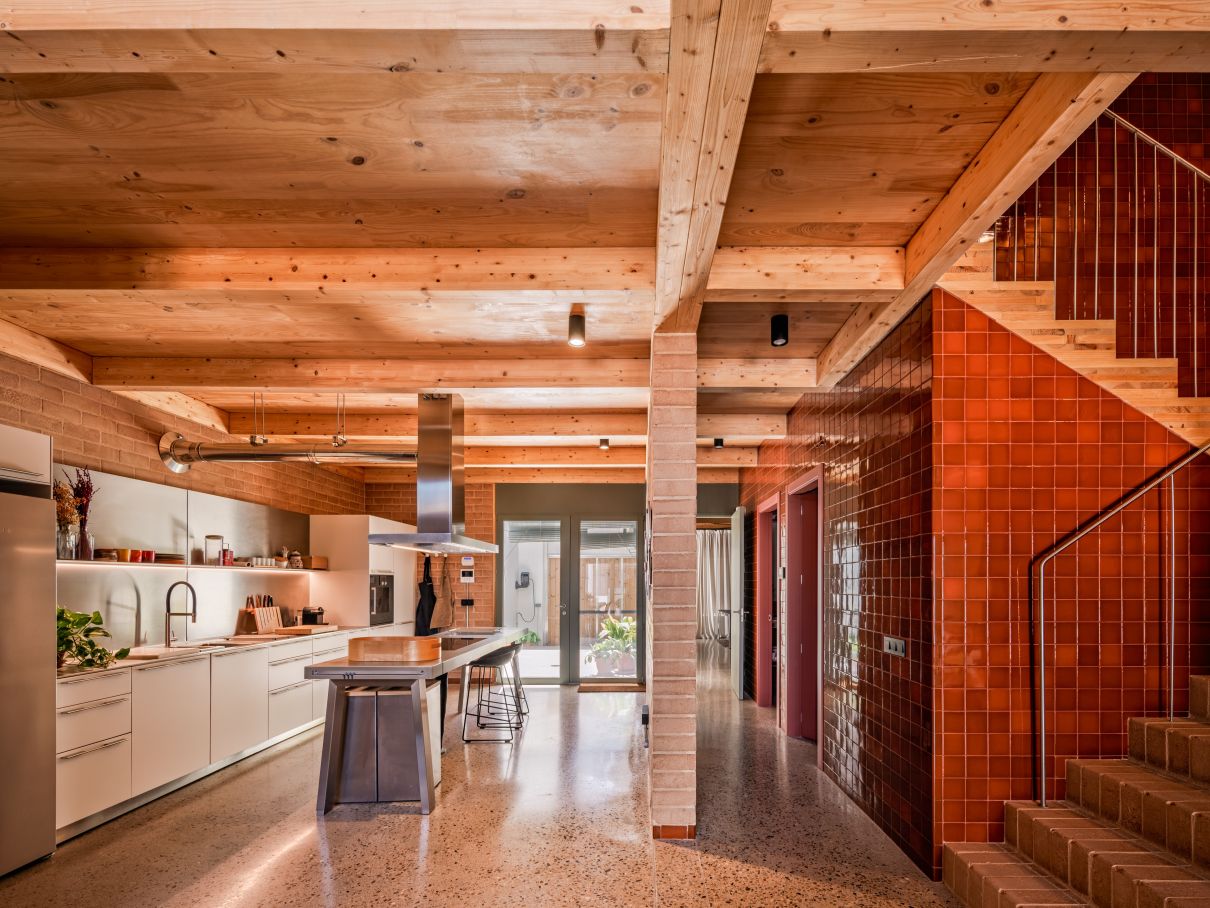
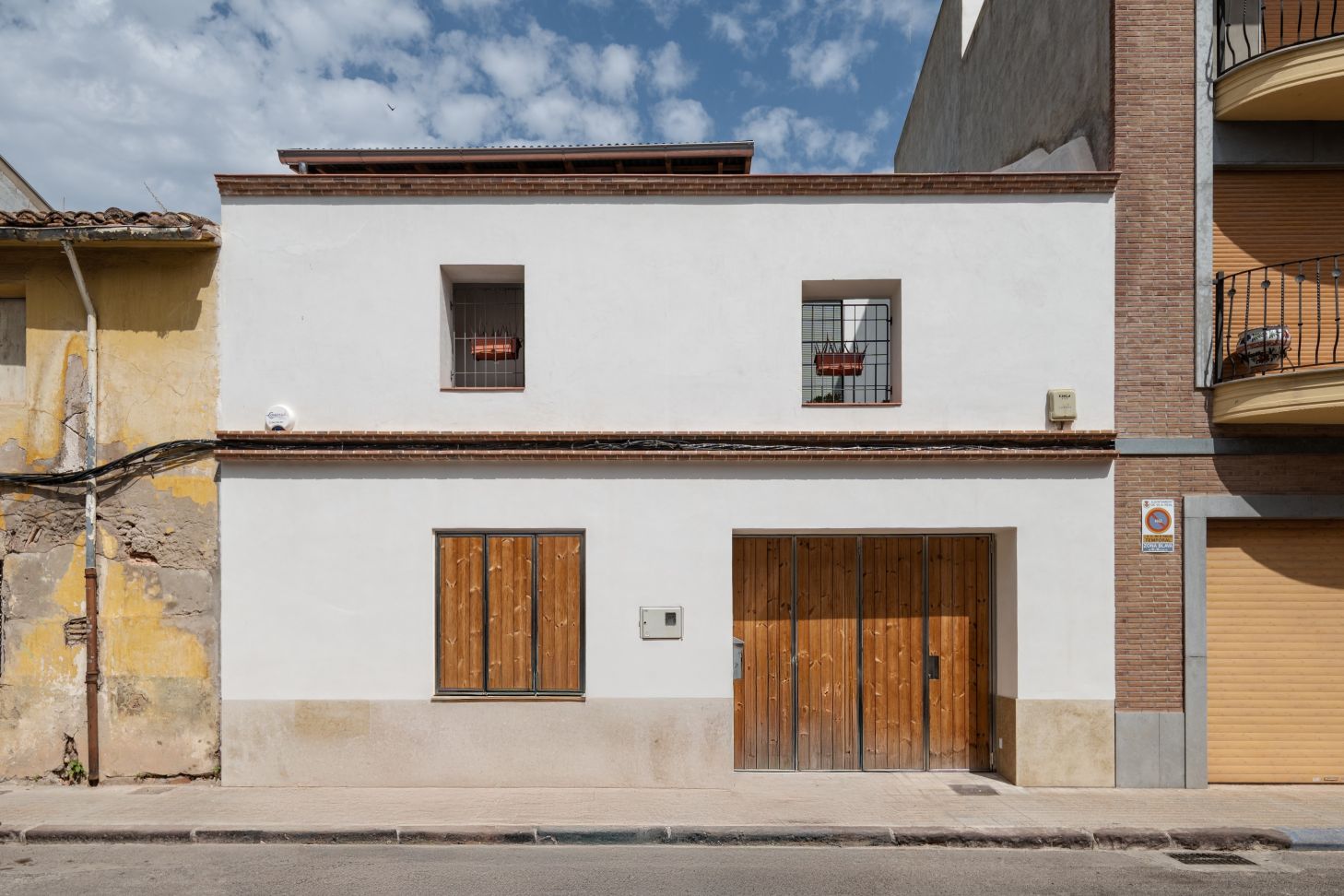
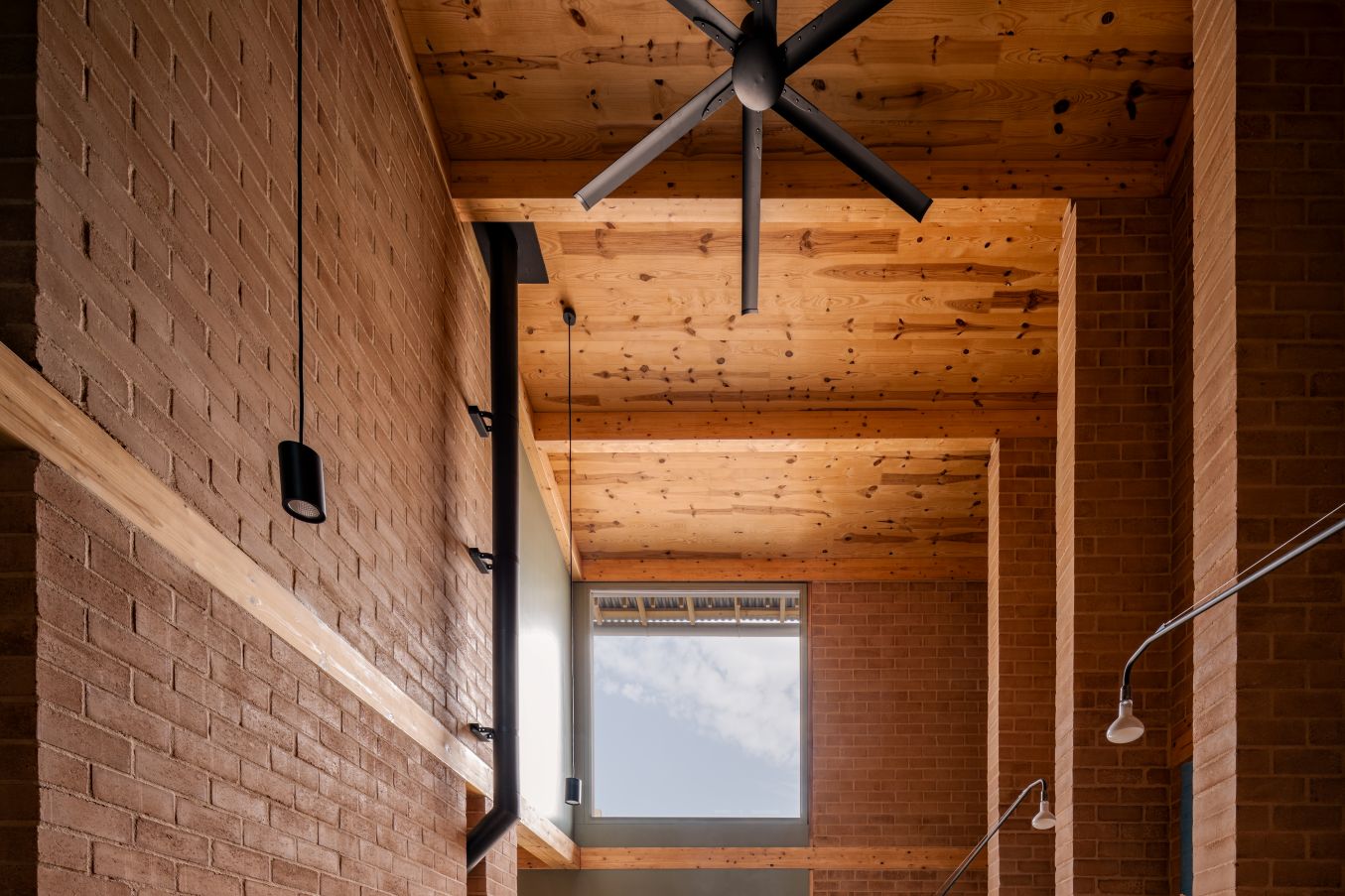
It is a single-family home that allows the three generations of the family to live together around the kitchen, and with a design that allows for maximum versatility in the future. The facade has been preserved so as not to alter the urban ensemble, and Lacol has also designed the project with comfort in mind, especially in high temperatures.
Hybrid construction system: Compacted earth walls and CLT slabs
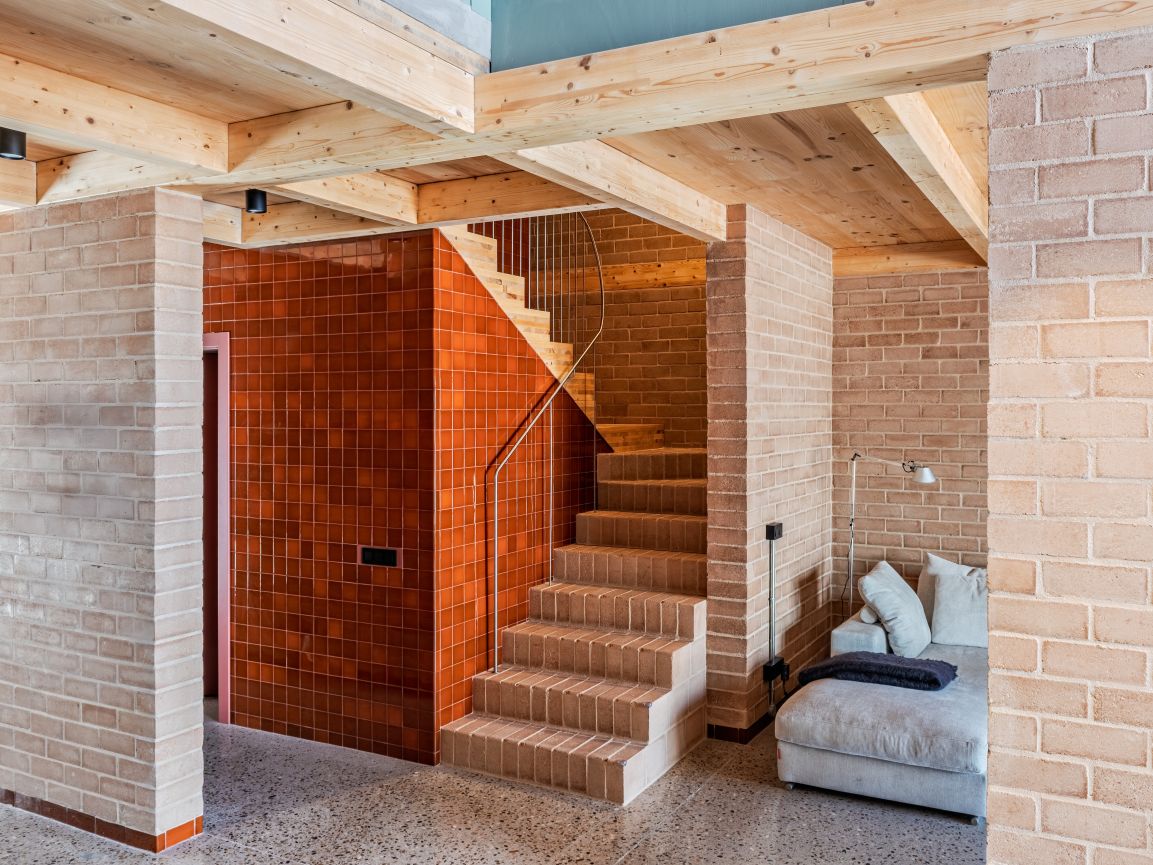
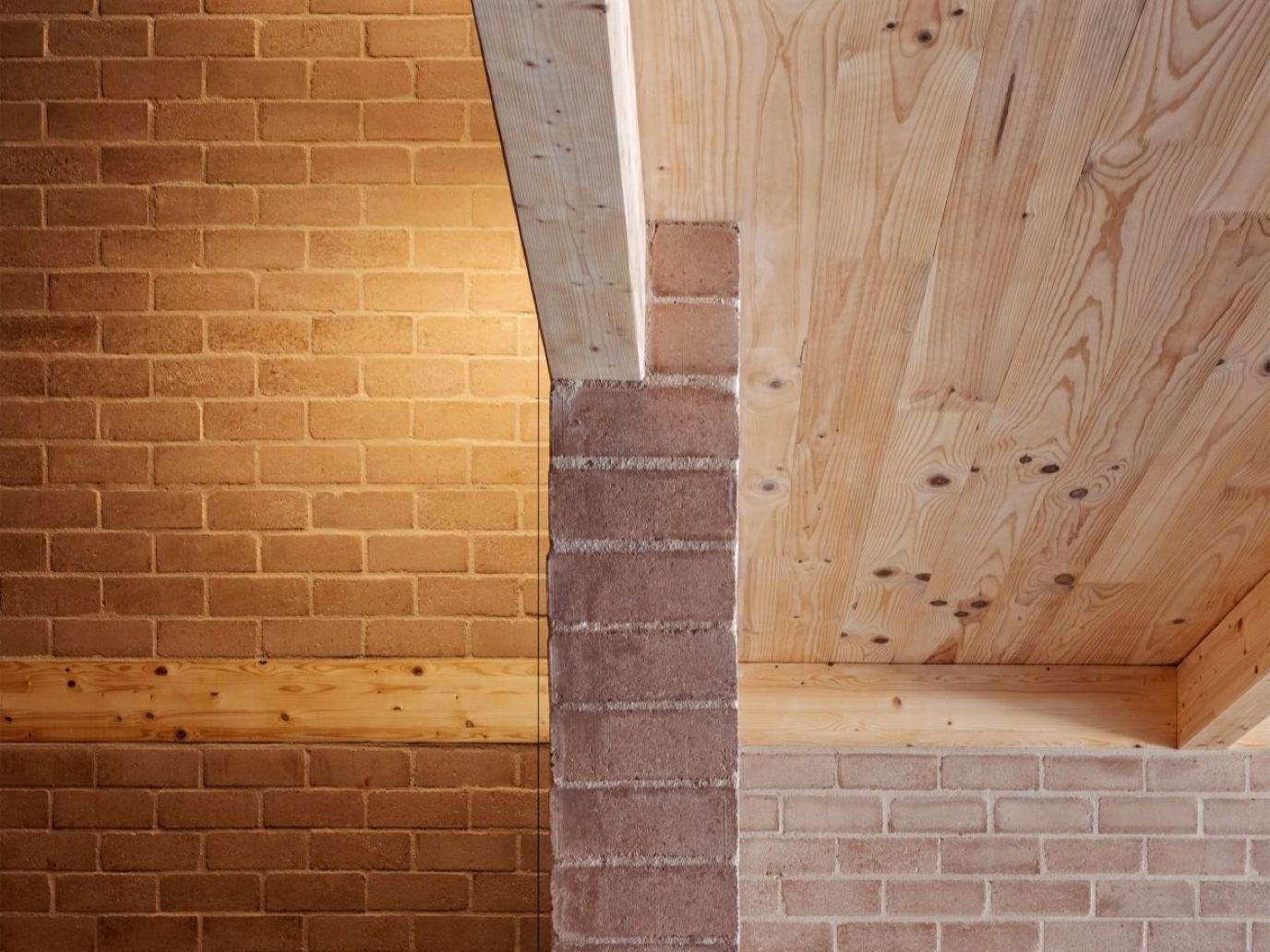
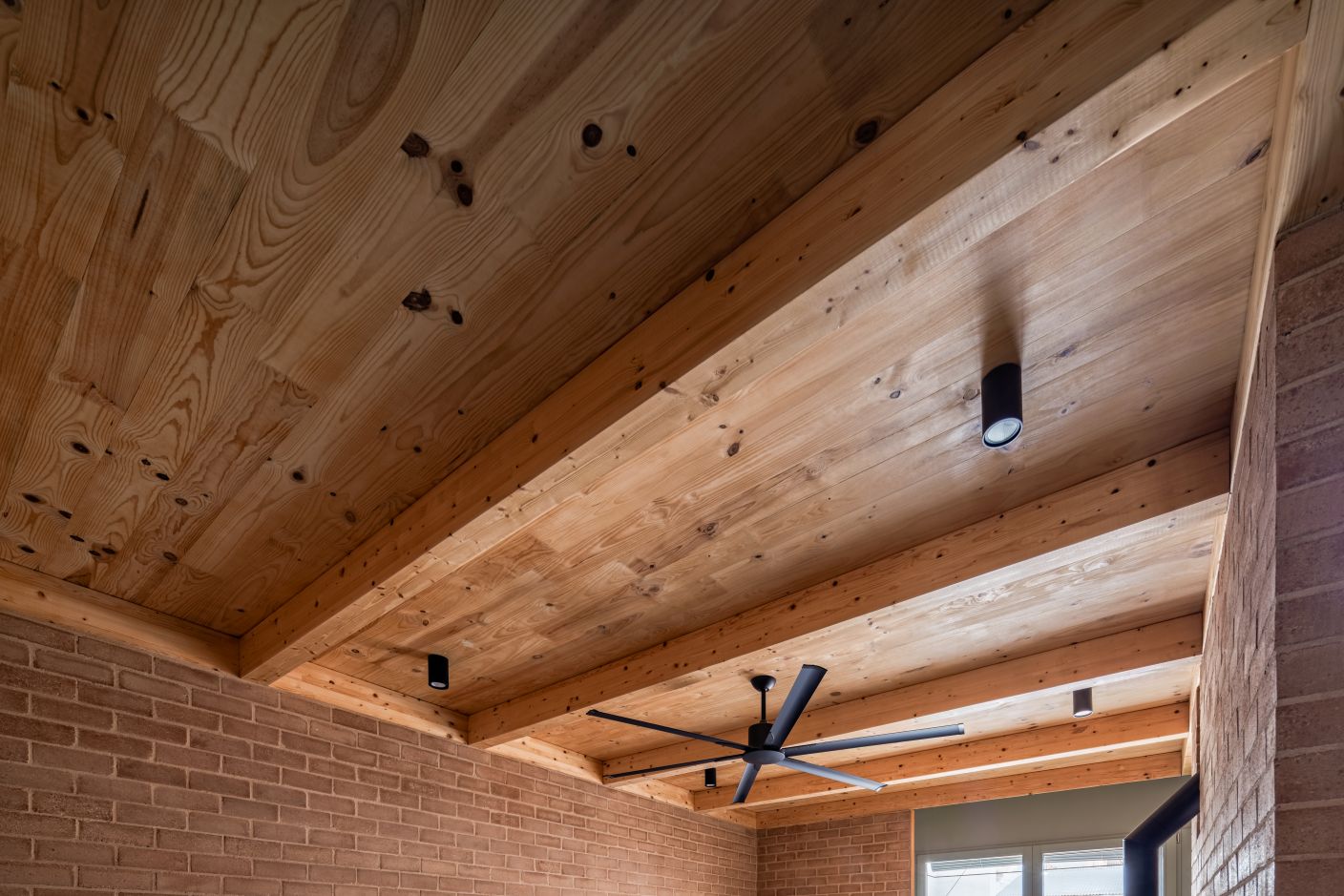
To achieve this, they have opted for a vertical structure of compacted earth block walls and a horizontal structure of ribbed CLT panels with solid wood beams. In addition to this, we insulated the house with lime mortar and cork for the facades and hemp fibres for the roof.
The advantages of CLT: decarbonization, efficiency and dry assembly
The choice of CLT is not only aesthetic, but directly reflects Lacol's philosophy on low environmental impact construction and material ethics. Unlike traditional concrete or steel, wood retains carbon instead of emitting large amounts during its manufacture. Furthermore, it is a renewable, industrialised, and low ecological impact material, consistent with the ecosocial transition promoted by the study.
Furthermore, since they are industrialised panels cut to size in the workshop, CLT floor slabs are quickly assembled on site. This reduces water usage, the production of debris and the disturbances in the historic centre of Vila-real.
Xilonor CLT: Local pine Wood and local technical support
Specifically, Lacol has opted for CLT from Xilonor, a company located in Coirós (A Coruña), which opened the first CLT plant in Galicia to promote the use of this material and establish itself as a benchmark for the wood construction sector of the Iberian Peninsula. In addition to manufacturing in Galician pine, Xilonor has a technical office that advises architecture studios, construction companies, etc., when carrying out their projects.
Category: Living
Application: Structure
Materials: CLT Xilonor
Builder: OCN Group
Industrial: Fustea
- Vila-real, Castellón
- 2025
- Lacol